What is Therapeutic Ultrasound?
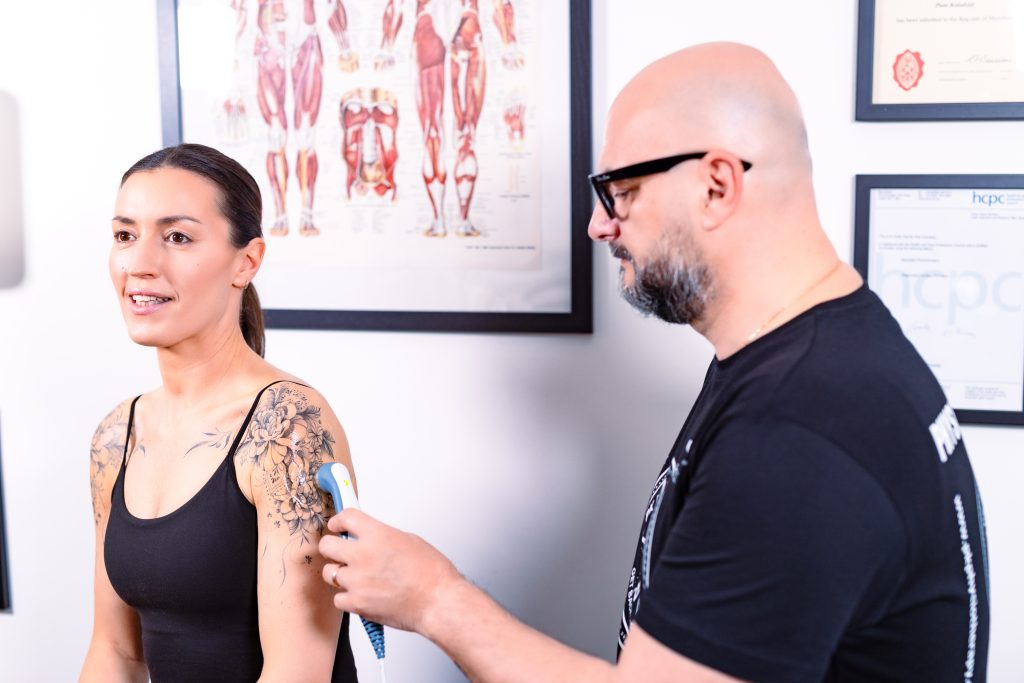
Therapeutic Ultrasound is a treatment used in physiotherapy that delivers high-frequency sound waves into soft tissues. It has been used for many years as part of physiotherapy rehabilitation programmes and may be used alongside exercise therapy, manual therapy and other treatments.
At PK Physiotherapy in Northampton, Therapeutic Ultrasound is used as part of an individual treatment plan rather than as a standalone solution.
What Conditions Can Therapeutic Ultrasound Help With?
Therapeutic Ultrasound may be used as part of the management of:
Suitability depends on the condition being treated and individual assessment findings.
How Does Therapeutic Ultrasound Work?
Ultrasound uses sound waves to deliver energy into the tissues. Depending on the treatment settings, the aim may be to support tissue healing processes and improve tissue extensibility as part of a wider rehabilitation programme.
Treatment is painless and non-invasive.
Does Ultrasound Cure the Problem?
No.
Ultrasound should be viewed as an adjunct to rehabilitation rather than a cure.
Long-term improvement usually depends on identifying and addressing the underlying cause of symptoms through exercise rehabilitation, movement, education and appropriate loading strategies.
Is Therapeutic Ultrasound Supported by Research?
Research findings are mixed and vary depending on the condition being treated.
For this reason, Therapeutic Ultrasound is usually used as part of a broader treatment programme rather than as a standalone intervention. Your physiotherapist will determine whether it is appropriate for your specific condition.
Do I Need a Scan Before Ultrasound Treatment?
Not necessarily.
Most patients can be assessed clinically without requiring imaging. Scans may occasionally be useful in more complex cases but are not routinely required before treatment.
Is Therapeutic Ultrasound Safe?
For most people, yes.
Therapeutic Ultrasound is generally considered safe when delivered by a trained healthcare professional. Certain precautions and contraindications apply and will be discussed during your assessment.
What Will I Feel During Treatment?
Most patients feel very little during treatment. Some may notice a gentle warming sensation, while others feel nothing at all.
Frequently Asked Questions
How long does treatment take? Treatment duration varies depending on the area being treated and your rehabilitation programme.
Can Ultrasound replace exercise? No. Exercise rehabilitation remains one of the most important parts of recovery for most musculoskeletal conditions.
Can Ultrasound be combined with other treatments? Yes. Therapeutic Ultrasound is often combined with exercise rehabilitation, manual therapy, Shockwave Therapy, Electrotherapy and other physiotherapy interventions.