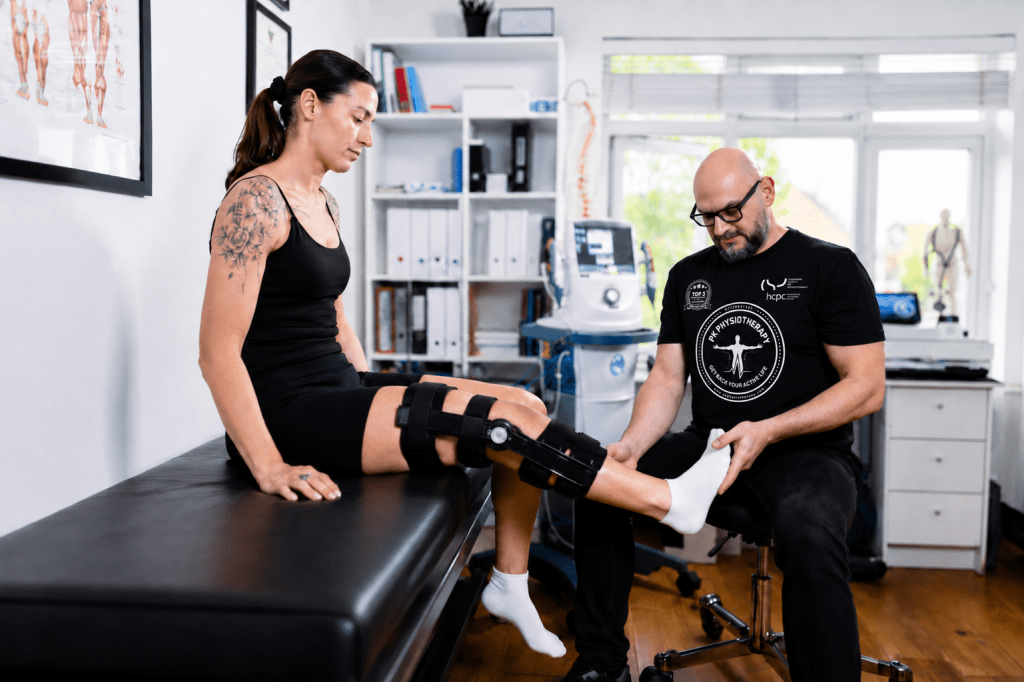
What is Post Surgical Rehabilitation?
Post Surgical Rehabilitation is a structured physiotherapy programme designed to help patients recover safely and effectively following surgery. Whether you have undergone joint replacement, ligament reconstruction, tendon repair, spinal surgery or another orthopaedic procedure, rehabilitation plays a vital role in restoring movement, strength and function.
Surgery is often only the first step in the recovery process. The quality of rehabilitation can significantly influence the final outcome and help patients return to work, sport and everyday activities with confidence.
Common Reasons for Post Surgical Rehabilitation
Patients commonly attend physiotherapy following:
- Knee replacement surgery
- Hip replacement surgery
- ACL reconstruction
- Meniscus surgery
- Rotator cuff repair
- Shoulder stabilisation procedures
- Spinal surgery
- Tendon repairs
- Fracture fixation surgery
- Foot and ankle surgery
Common Challenges After Surgery
Following surgery, patients may experience:
- Pain and swelling
- Joint stiffness
- Muscle weakness
- Reduced mobility
- Balance problems
- Difficulty walking
- Loss of confidence
- Reduced fitness levels
These challenges are common and often improve with an appropriate rehabilitation programme.
How Physiotherapy Can Help
At PK Physiotherapy in Northampton, every treatment programme begins with a detailed assessment carried out by Piotr Kolodziej, Specialist Physiotherapist with over 30 years of clinical experience.
Treatment is tailored to your surgery, stage of recovery and personal goals. Rehabilitation focuses on restoring movement, rebuilding strength, improving confidence and helping you return to normal activities safely.
Treatment Options Available at PK Physiotherapy
Depending on your stage of recovery, treatment may include:
- Post Surgical Assessment
- Mobility Restoration
- Strengthening Programmes
- Exercise Rehabilitation
- Gait Re-Education
- Balance and Proprioception Training
- Manual Therapy
- Soft Tissue Techniques
- Kinesiology Taping
- Electrotherapy (IFC and TENS)
- Therapeutic Ultrasound where appropriate
- Laser Therapy
- Personalised Home Exercise Programmes
Do I Need Physiotherapy After Surgery?
In most cases, yes.
While surgical procedures address structural problems, rehabilitation helps patients regain function, movement and confidence. Without appropriate rehabilitation, recovery may take longer and outcomes may be less predictable.
Can Physiotherapy Replace Surgery?
This depends on the condition. In some situations, physiotherapy may help patients avoid surgery altogether. However, once surgery has been performed, rehabilitation is usually a key part of recovery.
When Should I Contact My Surgeon or GP?
Contact your surgeon, GP or healthcare team if you experience:
- Increasing pain that is not improving
- Significant swelling
- Signs of infection
- Redness around the surgical site
- Fever or feeling unwell
- Sudden loss of function
Red Flags
Seek urgent medical attention if you develop:
- Chest pain
- Shortness of breath
- Calf swelling and pain
- Signs of deep vein thrombosis (DVT)
- Sudden neurological symptoms
Frequently Asked Questions
How soon should I start physiotherapy after surgery? This depends on the procedure performed. Many patients begin rehabilitation within days or weeks of surgery following medical guidance.
How long will rehabilitation take? Recovery varies depending on the procedure, age, fitness level and individual goals. Some patients recover within weeks, while others may require several months of rehabilitation.
Will rehabilitation be painful? Some discomfort during rehabilitation can be normal. Your programme will be adjusted according to your symptoms and stage of healing.